Real remediation photos
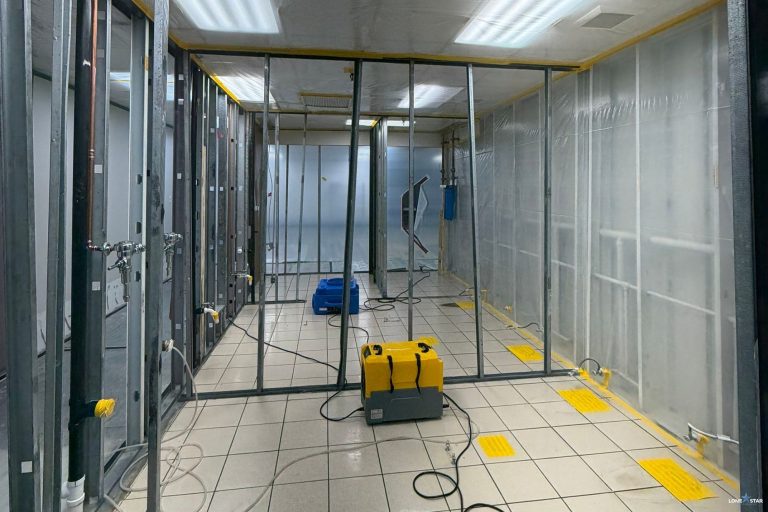
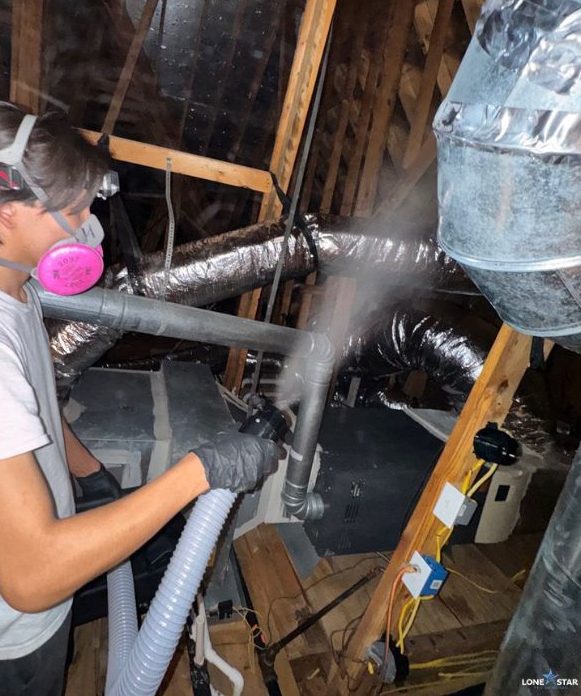
Containment, moisture checks, wall damage, commercial work, and HVAC concerns from actual remediation-related images used on the site.
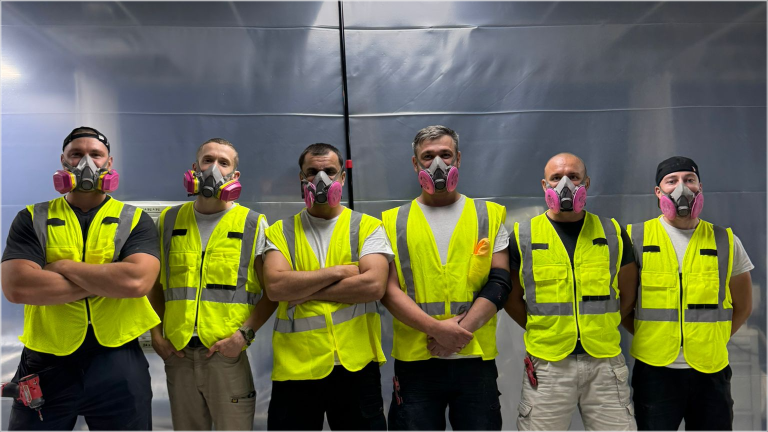
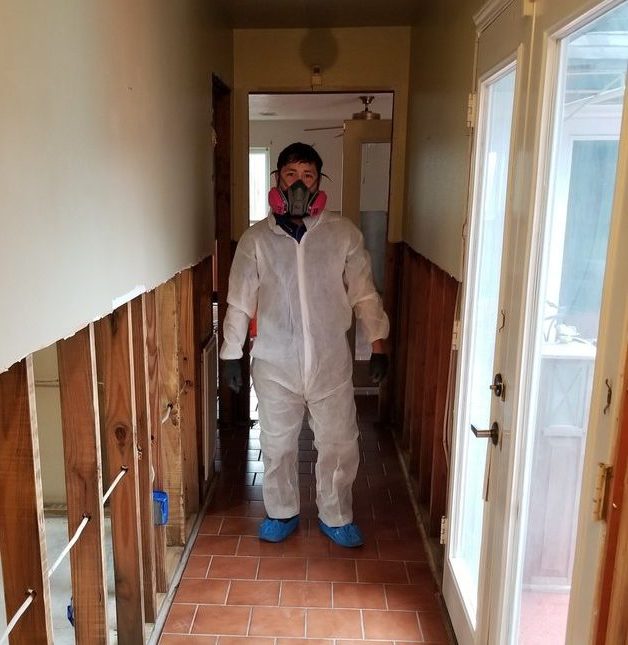
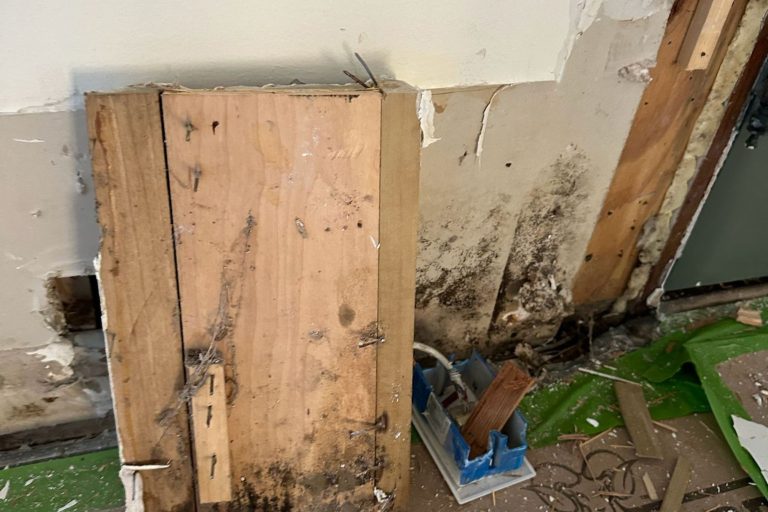
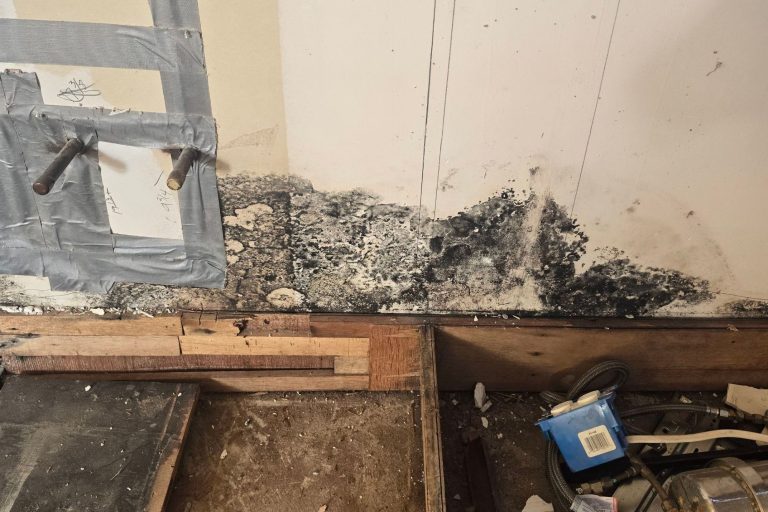
Licensed mold remediation for Houston homes, businesses, attics, HVAC systems, and water-damaged properties. Real job photos, plain answers, and Texas license proof up front.
Most mold calls start after something stayed wet too long. A pipe leaked behind a wall. The AC drain backed up. A roof leak kept feeding the same spot. A bathroom or attic held humidity until the smell finally got bad enough to track down.
By the time people call, they want to know what they are dealing with, how serious it looks, and what to do before the mess spreads.
Do not tear deeper into the wall. Do not run fans across visible growth. If water is still getting in, stop it if you can do that safely. Then call and explain what got wet, where it is, and whether the smell is getting worse.
If the issue seems tied to the AC, attic, roof, or a recent leak, mention that up front. It helps narrow down the next step.
We get calls from houses, rentals, offices, attics, HVAC systems, and water-damaged rooms across Houston and the nearby cities we serve. Some people already know the problem is in a wall cavity, attic, vent, or commercial suite. Others just know something smells off and keeps coming back.
Containment, moisture checks, wall damage, commercial work, and HVAC concerns from actual remediation-related images used on the site.
When mold shows up after a leak or long humidity exposure, the job needs containment, cleanup, and a plan that deals with the moisture source too.
If you found dark mold growth in a wall cavity, bathroom, attic, or around an HVAC register, slow down and treat it like a moisture problem first.
Commercial mold work is about more than cleanup. It is access, documentation, tenant coordination, and keeping business disruption under control.
If you need testing, protocol, or clearance, the first question is whether the project falls under Texas rules that separate assessment from remediation.
Attic mold usually points back to a roof problem, bad ventilation, or humidity that has been sitting there for too long.
If the smell gets stronger when the system runs, or you see growth around vents or the air handler, the real issue is usually moisture in the HVAC chain.
Emergency mold calls usually happen after water damage. The faster the moisture is contained, the better the cleanup usually goes.
The first drying decisions after a leak matter. In Houston, hidden moisture turns into mold faster than most property owners expect.
We work across Houston and nearby cities including Katy, Cypress, Spring, The Woodlands, Pearland, Sugar Land, Pasadena, Humble, Kingwood, Missouri City, Tomball, and Conroe.
Yes. Texas regulates mold assessment and remediation. Lone Star Pro Services lists Texas Mold Remediation License RCO1401.
On regulated mold projects, Texas rules may require an independent licensed mold assessment consultant for assessment, protocol, or clearance. Remediation should be handled separately when the rules require it.
Do not tear into the area or blow fans across visible growth. If water is still leaking, stop it if you can do that safely, then call for guidance.
Call 346-258-7165.
Yes. The site covers Houston plus nearby areas including Katy, Cypress, Spring, The Woodlands, Pearland, Sugar Land, Pasadena, Humble, Kingwood, Missouri City, Tomball, and Conroe.
Most calls start with a roof leak, plumbing leak, AC drain issue, attic humidity problem, or wet drywall after a storm.
Lone Star Pro Services lists Texas Mold Remediation License #RCO1401. On regulated jobs, assessment and clearance may need to be handled by an independent licensed mold assessment consultant. That separation protects the property owner and keeps the project clean.
Mold Remediation License: #RCO1401
IICRC Certified Firm: #226009
HVAC License: TACLA00106049E
Operator: Lone Star Pro Services, Houston TX
Call or send the form. If the area is wet, say what leaked and whether the smell is getting worse.